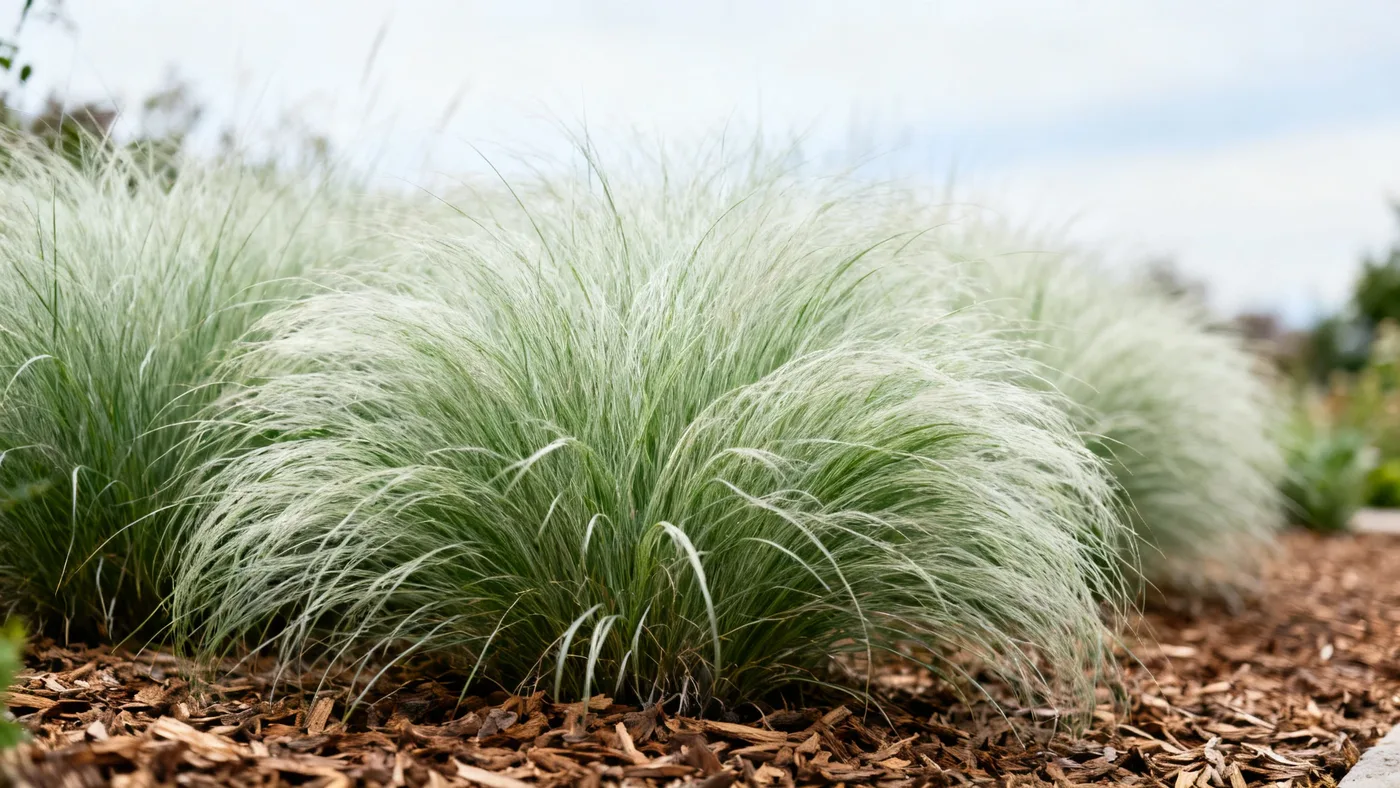
Is White Cloud Muhly Grass Deer and Rabbit Resistant?
Deer Resistance: The Basics
Is White Cloud Muhly Grass truly deer resistant?
Yes. White Cloud Muhly Grass has good to high deer resistance, making it a reliable choice for landscapes where deer pressure is a consistent concern. The fine-textured, wiry foliage and lack of tender, palatable growth deter most deer from browsing, even when other plants in your garden are being heavily damaged.
Why do deer avoid White Cloud Muhly Grass?
Deer prefer soft, tender vegetation with high nutritional value. White Cloud Muhly Grass has tough, sharp-edged blades that lack appeal compared to conventional ornamental plants or vegetables. The dense, wiry structure of the 2-3 ft foliage clump also makes it physically uncomfortable for deer to navigate or feed within, further discouraging browsing attempts.
Will deer damage White Cloud Muhly Grass during harsh winters?
Even when snow cover reduces available forage, deer typically leave White Cloud Muhly Grass untouched. The persistent dried foliage and tan-to-bronze winter color remain unpalatable, offering no nutritional advantage for winter browse. This makes it an excellent choice for ornamental winter interest in high-deer areas from zones 6-9.
What is the difference between "good" and "high" deer resistance?
White Cloud Muhly Grass carries a good to high rating, meaning it is rarely browsed but not absolutely immune in extreme scenarios (such as severe food scarcity during prolonged drought or unusual winter conditions). In typical residential landscapes, you can reliably expect it to remain untouched year-round without additional protective measures.
Rabbit Resistance and Other Wildlife Concerns
Is White Cloud Muhly Grass rabbit resistant?
Rabbit resistance for this specific cultivar is not documented in horticultural sources, as rabbits have different browsing preferences than deer. Contact your local cooperative extension service for regional rabbit damage patterns in your area, as local populations and food availability vary significantly by location. Many zones experience minimal rabbit damage to tough ornamental grasses, but your extension office can confirm what to expect in your region.
What wildlife benefits from White Cloud Muhly Grass without causing damage?
Songbirds rely on the grass's seed heads for food throughout fall and winter. The dense clump provides nesting material, shelter, and cover for ground-nesting birds and small wildlife seeking refuge. The grass itself is wind-pollinated, so it does not support pollinators in the traditional sense, but its ecosystem value for birds is significant.
Will groundhogs, voles, or other small mammals eat White Cloud Muhly Grass?
Groundhogs, voles, and similar small mammals are not known to target ornamental grasses; they prefer herbaceous perennials, vegetables, and specific plant parts like roots or seeds. White Cloud Muhly Grass's wiry, fine-textured foliage offers no nutritional or textural appeal to these species, so it is a safe, damage-free choice for properties where such activity occurs.
Is White Cloud Muhly Grass toxic to deer or other animals?
White Cloud Muhly Grass is not known to be toxic to pets, people, or wildlife, and deer do not avoid it for toxicity reasons. Its resistance to browsing is purely physical and based on unpalatability, not chemical defense. This makes it a safe ornamental choice for any landscape, including those with livestock, free-roaming pets, or frequent wildlife activity.
Planting Strategies for Wildlife-Prone Landscapes
How should I space White Cloud Muhly Grass to maximize effectiveness in high-deer areas?
Space plants 18-36 inches apart, depending on your desired density and local deer pressure. Closer spacing (18-24 inches) creates a denser visual and physical barrier faster, reaching mature 2-4 ft width within 2-3 years. Moderate spacing (24-30 inches) is more economical and still provides excellent coverage by year three of establishment.
Can White Cloud Muhly Grass alone protect a garden from deer?
While the grass itself is deer resistant, a monoculture planting will not protect tender plants beyond its immediate footprint. For effective deer protection, intersperse White Cloud Muhly Grass with other resistant perennials, shrubs, and ornamental grasses to create a cohesive border. See our comprehensive care guide for companion planting details and layered landscape design.
What is the best time to plant White Cloud Muhly Grass for deer-pressure effectiveness?
Plant in spring or early fall to allow time for establishment before extreme heat or cold. Spring plantings reach 1-2 ft of growth by first fall and often show initial bloom; fall plantings establish root systems over winter and explode with growth the following spring, reaching near-mature size by their second fall.
How long does it take White Cloud Muhly Grass to reach full mature height for landscape impact?
White Cloud Muhly Grass reaches its full mature height of 3-4 ft (including white bloom plumes) within 2-3 years under good growing conditions. First-year plants may reach 1-2 ft of growth; second-year plants approach 2-3 ft. This gradual establishment timeline is typical for warm-season grasses and allows you to observe landscape impact build year by year.
Can White Cloud Muhly Grass survive if deer accidentally trample it?
Yes. The flexible, wiry foliage recovers from trampling far better than tender perennials or soft ornamental plants. A single season of accidental disturbance rarely causes permanent damage to an established clump. This physical resilience is another reason White Cloud Muhly Grass is so valuable in high-deer areas: it withstands both browsing attempts and incidental disturbance without requiring replacement or special care.
Companion Plants and Mixed Border Design
Which companion plants pair best with White Cloud Muhly Grass for complete deer protection?
Combine the grass with other documented deer-resistant species like Black-eyed Susan (Rudbeckia), Little Bluestem, Coneflower (Echinacea), Salvia cultivars (such as 'Mystic Spires'), and Lantana. This layered, multi-species approach creates a resilient border because different plant textures and bloom times confound deer browsing preferences. Mixed plantings also provide superior habitat for songbirds and small wildlife seeking food and cover.
Will White Cloud Muhly Grass protect neighboring tender plants from deer browsing?
The grass itself is not a physical barrier and will not shield nearby vulnerable plants from direct deer damage. However, strategically placing a dense planting of multiple resistant species around tender plants can discourage deer from entering that zone altogether. A unified border of resistant ornamentals is far more effective than relying on a single specimen or type.
Can I grow White Cloud Muhly Grass alongside roses or other deer-preferred plants?
Yes, but you will need additional protection for the tender, preferred plants themselves. White Cloud Muhly Grass works well as a textural backdrop or border accent, but fencing, netting, or deer repellents must guard the roses or vulnerable specimens. The dramatic white plumes (3-4 ft tall) and fine foliage provide excellent visual contrast without interfering with the specialized care those plants may require.
Does White Cloud Muhly Grass serve any ecological purpose beyond deer resistance?
Yes. The seed heads feed songbirds through fall and winter, and the dense clump provides nesting material and shelter for ground-nesting birds and small wildlife. Additionally, White Cloud Muhly Grass's high salt tolerance and drought resilience make it valuable in coastal and xeriscape gardens where resistance to multiple environmental stressors is desirable. Learn more about drought tolerance here.
Regional and Hardiness Zone Considerations
Is White Cloud Muhly Grass equally deer resistant across all USDA zones 6-9?
Yes. White Cloud Muhly Grass is rated for zones 6-9 (with some nurseries extending to zones 5-9), and its deer resistance remains consistent throughout because it is a physical trait of the foliage itself, not climate-dependent. Deer behavior and population density may vary by region, but the plant's unpalatable, wiry structure is equally effective as a browsing deterrent from zone 5 through zone 9.
Do colder zones experience higher winter deer pressure that White Cloud Muhly must endure?
Colder zones sometimes see increased winter deer pressure when natural browse becomes scarce under snow or ice. However, the persistent dried foliage and tan-to-bronze winter color of White Cloud Muhly Grass remain unappetizing to deer even during harsh winters. The combination of tough plant structure and inherent unpalatability ensures strong winter resistance even in marginal hardiness zones or extreme weather years.
Are there significant regional differences in wildlife damage patterns I should know about?
Deer population density, species composition (white-tailed versus mule deer), seasonal migration patterns, and local food availability vary dramatically by region and year. Warm-season grasses like White Cloud Muhly are particularly valuable in regions with high deer pressure because they provide winter interest (dried plumes and foliage) when most garden plants have died back. Consult your cooperative extension service for specific, localized wildlife management strategies and damage expectations in your area.
Practical Questions and Common Scenarios
Will insects or pests damage White Cloud Muhly Grass the way deer damage nearby plants?
White Cloud Muhly Grass is generally pest-free, with only occasional mealybugs or scale appearing on stressed, weak plants. These rare pest problems are not wildlife concerns in the traditional sense and do not indicate vulnerability to deer or rabbit browsing. Proper spacing, full sun, and well-drained soil keep plants vigorous and inherently pest-resistant.
Should I apply deer repellent sprays to White Cloud Muhly Grass?
No. Since White Cloud Muhly Grass is already highly resistant to browsing, repellent sprays are unnecessary and wasteful. You would be better served directing any budget toward planting additional resistant specimens or protecting truly vulnerable plants in your border. This cost-effectiveness is a major advantage of choosing this cultivar for wildlife-prone landscapes.
Will White Cloud Muhly Grass create an impassable deer barrier around my entire garden?
No single plant species, even one as tough as White Cloud Muhly Grass, will create a complete deer barrier. However, a cohesive, multi-species border of resistant plants, combined with fencing or other strategies as needed, significantly reduces deer damage and pressure. White Cloud Muhly Grass is a critical component of that integrated approach because of its dramatic year-round form, proven resistance, and wildlife value.
How does White Cloud Muhly Grass compare to other ornamental grasses for deer resistance?
Most warm-season ornamental grasses are inherently resistant to deer because their wiry, fibrous foliage offers little nutritional appeal. Little Bluestem and other native species share this trait. White Cloud Muhly's unique advantage is its stunning white fall plumes (unlike the pink-blooming straight species) combined with high salt tolerance, making it particularly valuable in coastal and xeriscape designs where multiple resistance functions stack into one specimen.
Does maintaining White Cloud Muhly Grass reduce pest or disease risk that might invite deer damage?
Healthy, well-maintained plants are less attractive to stressed-animal browsing and more resilient to incidental damage. However, the primary defense against deer is the plant's inherent structure and unpalatability, not maintenance condition. Basic care (pruning to a few inches above ground in late winter, good drainage, adequate sun) keeps White Cloud Muhly vigorous without affecting its deer-resistance traits.
Quick Reference: Deer and Rabbit Resistance at a Glance
| Aspect | Details |
|---|---|
| Deer Resistance Rating | Good to high; rarely browsed throughout the year |
| Rabbit Resistance | Not documented; consult local extension service |
| Winter Browsing Risk | Minimal; dried foliage remains unpalatable even under snow |
| USDA Hardiness Zones | 6-9 (some sources list 5-9); resistance consistent across all |
| Mature Height with Plumes | 3-4 ft; foliage clump alone is 2-3 ft |
| Mature Width at Base | 2-4 ft |
| Years to Full Maturity | 2-3 years; first-year growth is 1-2 ft per season |
| Recommended Spacing (High-Deer Areas) | 18-24 inches for dense coverage; 24-30 inches for modular spacing |
| Planting Season | Spring or early fall for best establishment |
| Winter Interest | Dried white plumes and tan-to-bronze foliage persist through winter |
| Toxicity to Animals | Not known to be toxic; safe for pets, livestock, and wildlife |
| Resiliency to Trampling | High; wiry foliage recovers from accidental disturbance |
Learn More About White Cloud Muhly Grass
For complete growing instructions, watering requirements, pruning schedules, and planting details, visit our White Cloud Muhly Grass care guide. To explore its drought tolerance and other resilience traits that complement its deer resistance, read our guide on drought tolerance. Whether you are designing a deer-resistant border or looking for a tough, beautiful warm-season grass, White Cloud Muhly Grass delivers reliable performance and stunning white fall plumes across zones 6-9.