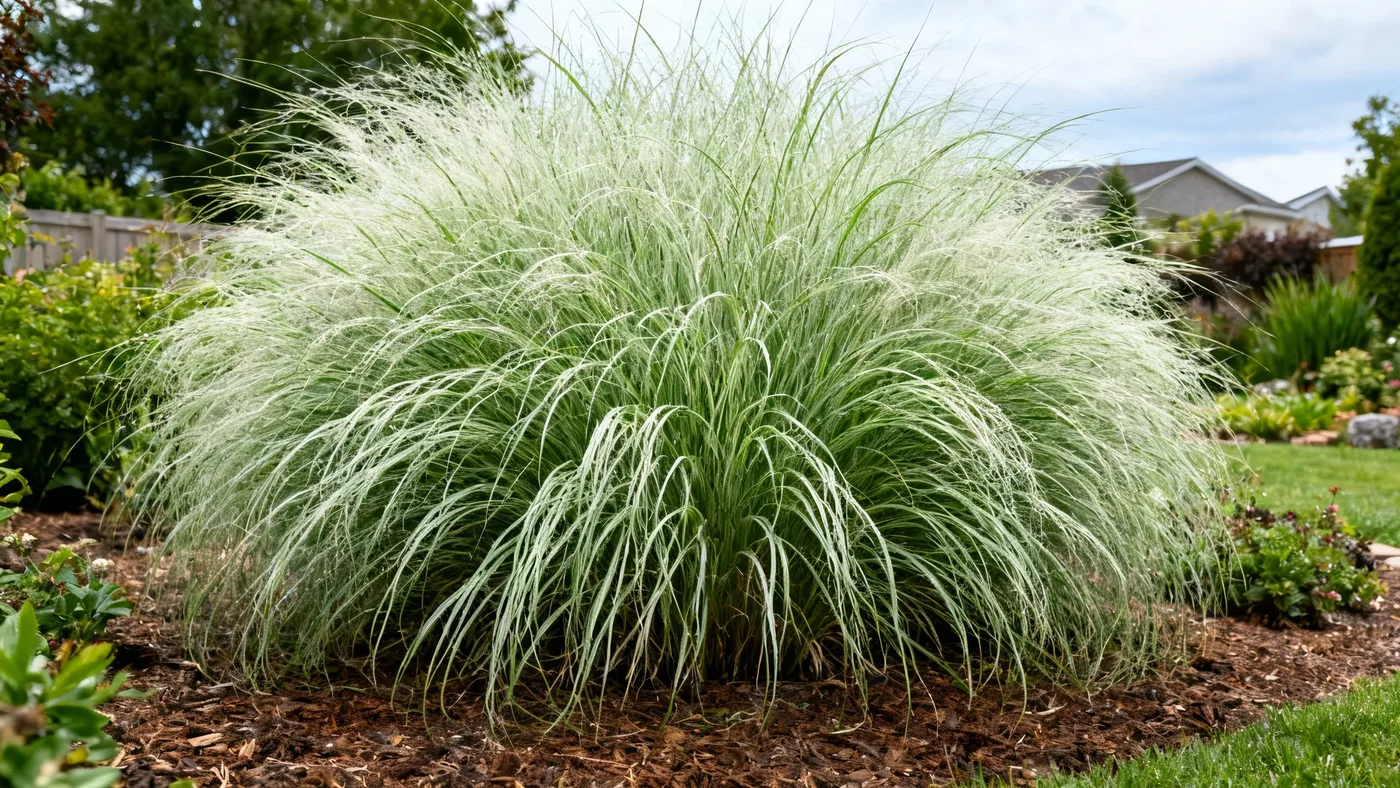
Is White Cloud Muhly Grass Drought Tolerant?
White Cloud Muhly Grass lives up to its reputation as a low-maintenance ornamental for water-conscious gardeners. The short answer: yes, it is drought tolerant, but there's more to understand about when, how, and under what conditions this trait shows up strongest.
Drought Tolerance Basics
Is White Cloud Muhly Grass drought tolerant?
Yes. Once established, White Cloud Muhly Grass has high drought tolerance and can thrive on natural rainfall alone in most climates. The plant evolved in the native southeastern and south-central US, where it handles dry spells without supplemental water. Full maturity (2 to 3 years) is when this drought resistance fully develops.
What does "established" mean for this grass?
An established plant has developed a deep, extensive root system that can access moisture deeper in the soil profile. This typically takes one full growing season for field-grown plants, but newly planted nursery stock (usually sold in quart or #1 containers) may need regular water for the first 4 to 6 weeks until roots spread into the surrounding soil.
How is drought tolerance different from heat tolerance?
Drought tolerance is the plant's ability to survive and thrive with little water; heat tolerance is its ability to handle high temperatures. White Cloud Muhly Grass excels at both. The fine-textured foliage and shallow, spreading root structure allow it to stay cool even in intense heat, and the warm-season growth habit means it actively grows when temperatures rise, unlike cool-season grasses that slow down in summer.
Can this grass grow in a low-water or xeriscape garden?
Absolutely. It is one of the best ornamental grass choices for xeriscaping. Pair it with other drought-tolerant companions like Black-eyed Susan, Salvia, Little Bluestem, Coneflower, and Lantana for a cohesive, water-efficient border. Space plants 18 to 36 inches apart depending on how quickly you want the area to fill in.
Water Requirements & Establishment
How much water does a newly planted White Cloud Muhly Grass need?
Water newly planted grass regularly during the first 4 to 6 weeks. Aim for soil that stays consistently moist (not waterlogged) until roots establish. Once you see new green growth beyond the original clump, root establishment is underway and you can reduce watering frequency.
Should I water newly planted grass during dry spells?
Yes, provide supplemental water if rainfall is sparse during the first 4 to 6 weeks. A young plant with shallow roots cannot yet reach deep soil moisture, so it depends on surface water. Once the root system has grown into the surrounding soil, the plant can tap into natural moisture much more efficiently.
What happens if I overwater an established plant?
Overwatering creates soggy or waterlogged soil, which leads to root rot and crown rot. White Cloud Muhly Grass prefers well-drained soil and suffers in heavy, wet conditions. Once established, the plant should receive water only during prolonged drought (more than two weeks without rain).
Can I grow this grass in humid regions with frequent rain?
Yes, but pay attention to soil drainage. In humid climates with clay soil or poor drainage, White Cloud Muhly Grass is prone to rust (a fungal disease) and root rot. Amend heavy clay with compost or sand to improve drainage, or plant on a slope where water moves away quickly after rain.
How often should I water an established plant?
Once established (after one growing season), water only during extended dry periods. Most gardeners find they need to water only a few times per summer or not at all if natural rainfall is average. Monitor the soil; if it stays dry more than 2 to 3 inches deep for extended periods, give the plant a deep soaking.
Soil & Site Conditions
Does soil type affect drought tolerance?
Yes. Sandy and loamy soils drain quickly and allow deep root penetration, supporting better drought tolerance. Clay soils hold water longer, which can work in your favor during dry periods but increases rot risk if drainage is poor. Adapt by adding 2 to 3 inches of compost to clay, or mulching lightly (1 inch) to improve water retention without creating soggy conditions.
What's the best soil pH for drought tolerance?
White Cloud Muhly Grass is highly adaptable and grows across soil pH ranges from roughly 5.5 to 7.5 (acidic to slightly alkaline). Soil pH does not significantly impact drought tolerance, though slightly acidic to neutral soils (6.0 to 7.0) are optimal. If your soil is extreme, amend it for overall plant health rather than drought performance.
Do I need to mulch to support drought tolerance?
Light mulching (1 inch max) around the base of newly planted grass helps retain soil moisture during establishment. For established plants, mulch is optional and light applications only; heavy mulch can trap moisture and promote rot. Remove mulch 3 to 4 inches away from the clump's crown.
Will this grass tolerate salty soil or coastal conditions?
Yes. White Cloud Muhly Grass has high salt tolerance and is commonly used in coastal landscapes. This means it can handle saline soil and salt spray from ocean winds, making it ideal for seaside gardens where many plants struggle.
Climate & Hardiness Zones
In which USDA zones is this grass drought tolerant?
White Cloud Muhly Grass is reliably hardy in zones 6 through 9, with some nurseries listing zone 5. Drought tolerance is strongest in zones 7 through 9, where natural rainfall and heat patterns favor the grass's warm-season growth. In zone 6, provide consistent moisture during the first summer; zones 5 to 6 experience harsher winters that may stress young plants.
Is drought tolerance the same everywhere, or does it vary by region?
Drought tolerance is consistent, but water availability varies by region. A plant established in a zone 9 desert region may go months without supplemental water, while an established plant in zone 6 might need water during an unusually dry summer. The grass's ability is the same; the environment determines how often you must water.
Does altitude affect drought tolerance?
Higher elevations tend to have lower humidity and faster evaporation, which can increase water demand. However, White Cloud Muhly Grass thrives at various elevations. In high-altitude gardens, ensure excellent drainage and monitor soil moisture more closely during the first year.
Maintenance & Performance
Does fertilizer affect drought tolerance?
Yes, indirectly. Over-fertilizing promotes soft, lush growth that demands more water and is more prone to lodging (floppy stems). A light spring application of balanced fertilizer is optional; mature plants rarely need supplemental nutrients if your soil is reasonable. Less fertilizer means stronger, more drought-tolerant growth.
When should I prune, and does timing affect drought tolerance?
Cut the clump back to a few inches above ground in late winter (February or March) before spring growth emerges. Pruning does not affect drought tolerance. Remove the dried plumes and tan foliage to make room for fresh spring shoots; the plant will fill out quickly once temperatures warm.
How long can this grass survive without water?
A fully established White Cloud Muhly Grass (2+ years old) can survive extended drought, sometimes weeks without supplemental water depending on your climate. However, prolonged stress without any rain reduces vigor and may delay or reduce fall bloom. In severe drought, give it one deep watering per month to maintain appearance.
Will an established plant bloom during drought?
Yes, but bloom may be reduced if water stress is severe. White Cloud Muhly Grass blooms in fall (September through November) and produces its signature white airy plumes reliably even in dry conditions once established. Drought-stressed plants often skip bloom if stressed during the bloom window; this usually recovers the following year.
Container Growing & Special Situations
Can I grow White Cloud Muhly Grass in a container, and is it drought tolerant in pots?
Yes, this grass is suitable for containers in well-drained potting mix. Container plants dry out faster than in-ground plants and need water more often (often weekly during summer). Even though the grass itself is drought tolerant, containers demand attention; use large containers (at least 12 inches wide) to slow evaporation, and water when the top inch of soil is dry.
Is this grass appropriate for rain gardens or bioswales?
White Cloud Muhly Grass is not ideal for rain gardens because it dislikes standing water and poorly drained soil. However, it works well in the drier margins of bioswales or on slopes where water drains quickly. Choose Little Bluestem or other native grasses for areas that hold water seasonally.
Troubleshooting
My established plant looks stressed during dry weather. Should I be worried?
Light wilting or a duller color during a hot, dry spell is normal and not cause for alarm. The plant is designed to handle this stress. Water only if drought persists for more than 2 to 3 weeks without rain, or if foliage begins to brown. Full recovery usually happens within days of watering or after rain.
Can I tell if my grass needs water?
The simplest test is to dig 3 to 4 inches into the soil. If it feels dry, water deeply. If it feels moist, wait. For established plants, you rarely need to water; most gardeners water only during droughts that interrupt normal rainfall for 3+ weeks.
Will this grass become invasive due to its drought tolerance?
No. The species is native to the southeastern and south-central US and is not considered invasive in its native range. Outside that range, check your local extension service for guidance, though White Cloud Muhly Grass is not listed as a noxious weed anywhere.
Quick Reference: Drought Tolerance Checklist
| Condition | Requirement / Notes |
|---|---|
| Drought Tolerance Rating | High once established (2 to 3 years) |
| Establishment Water | Regular water for first 4 to 6 weeks; then reduce |
| Mature Plant Water | Water only during prolonged drought (3+ weeks dry) |
| Best Zones for Drought | Zones 7 to 9; zone 6 may need summer water |
| Ideal Soil | Sandy, loamy, or amended clay with good drainage |
| Salt Tolerance | High; suitable for coastal gardens |
| Heat Tolerance | Excellent; actively grows in summer heat |
| Container Growing | Yes, but requires more frequent watering than in-ground |
| Mulch Depth | Light (1 inch max) or none for established plants |
| Spacing for Mass Planting | 18 to 36 inches apart |
| Mature Size | 2 to 3 ft foliage height; 3 to 4 ft with bloom plumes; 2 to 4 ft wide |
| Years to Maturity | 2 to 3 years for full clump and drought tolerance |
| Lifespan | 10+ years with good drainage |
For additional care details, see our full White Cloud Muhly Grass care guide, which covers pruning, fertilizing, companions, and troubleshooting in depth.