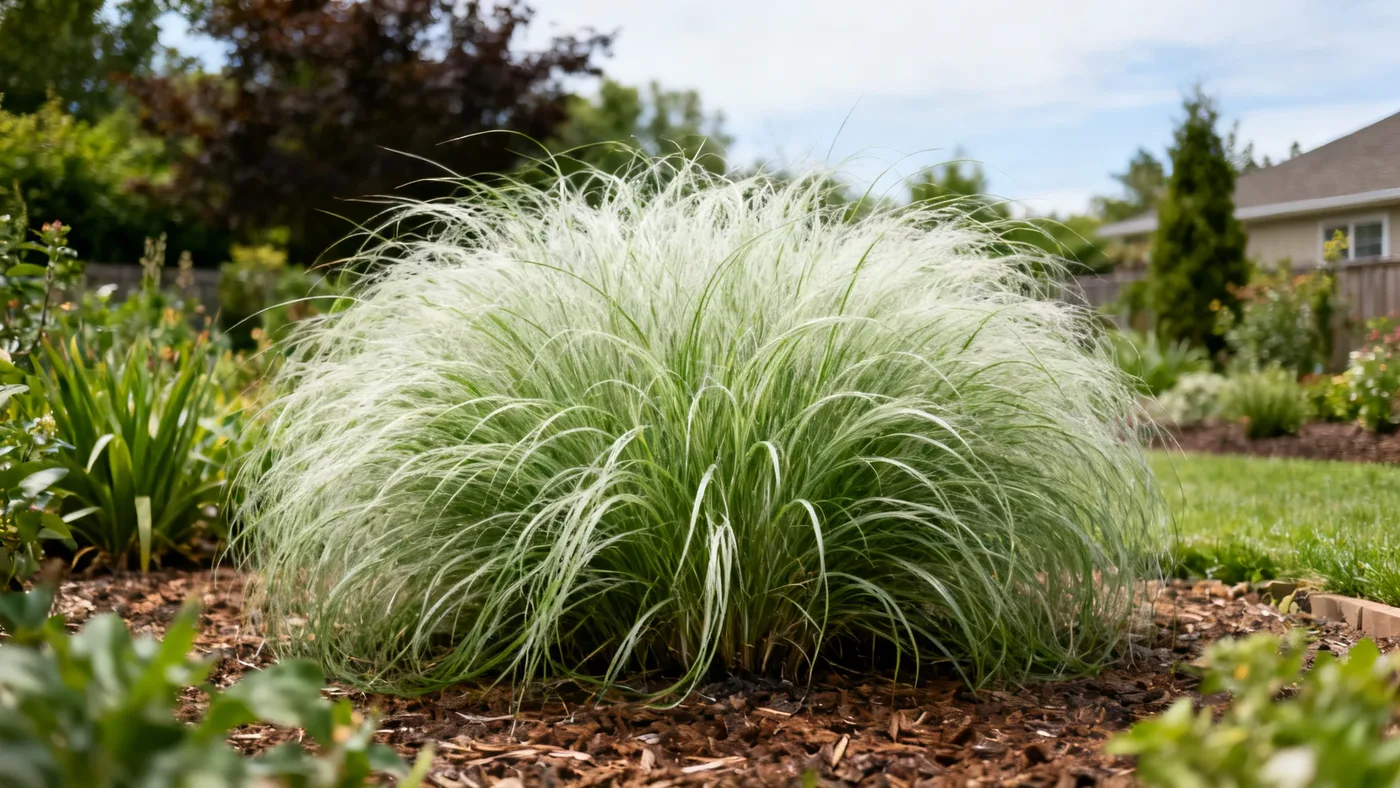
Best Soil for White Cloud Muhly Grass: Drainage and pH Needs
Why Soil Matters for White Cloud Muhly Grass
Get the soil right, and White Cloud Muhly Grass establishes quickly and blooms reliably. Get it wrong, and you're fighting root rot before your first fall plumes appear. This ornamental grass is adaptable, meaning it thrives across a range of soil types, but it has one non-negotiable requirement: drainage. Understanding the soil needs of White Cloud Muhly Grass and how to prepare your beds saves time, water, and frustration.
What White Cloud Muhly Grass Requires in Soil
White Cloud Muhly Grass tolerates sandy, loamy, and clay soils equally well. The plant itself is not finicky about texture. What matters most is how water moves through your soil. This grass prefers well-drained soil because its root system does not tolerate prolonged wetness. Waterlogged soil leads to root and crown rot, the leading reason plantings fail.
On the pH side, the plant is equally forgiving. White Cloud Muhly Grass grows in soil ranging from roughly acidic (pH 5.5) to slightly alkaline (pH 7.5). If your soil falls within that window, you can skip pH amendments entirely. Most home garden soils land somewhere in this range, so a pH test before amending is time well spent, since the plant is not picky.
Step-by-Step: Assessing and Preparing Your Soil
Step 1: Test Your Drainage
Before you plant, verify that your site drains adequately. This is the single most important test you can do.
- Dig a hole about 12 inches deep and 6 inches wide in the planting area.
- Fill the hole with water and let it drain completely.
- Fill it again and time how long the water takes to drain.
- If the hole drains in 2 to 4 hours, your soil drains well. If water sits for more than 6 hours, you have poor drainage and will need to amend.
This simple test tells you whether you need raised beds, drainage amendments, or a different site before you spend money on plants.
Step 2: Perform a Soil pH Test
A soil test kit from any garden center takes the guesswork out of pH. Follow the kit instructions to collect soil from your planting area (typically 4 to 6 inches deep). If your pH lands between 5.5 and 7.5, no amendment is needed. If it's outside that range, note it for Step 5.
Many county extension services offer inexpensive soil testing. The results often include nutrient levels and specific amendment recommendations tailored to your region's soil.
Step 3: Assess Existing Soil Texture
Grab a handful of moist soil from your planting bed and squeeze it.
- Sandy soil: Feels gritty and does not hold its shape. It drains quickly, sometimes too quickly, but provides excellent aeration.
- Loamy soil: Feels crumbly and holds a soft shape. This is the ideal texture for most plants, including White Cloud Muhly Grass.
- Clay soil: Feels sticky and holds a firm shape. It drains slowly and can become waterlogged.
If you have clay or very heavy soil, you will benefit from amendments in Step 4.
Step 4: Amend for Drainage (If Needed)
If your drainage test showed water sitting longer than 6 hours, or if you have heavy clay soil, add amendments to improve water movement through the soil.
For clay or heavy soils: Mix 2 to 3 inches of coarse sand, perlite, or compost into the top 8 to 10 inches of your existing soil. Work the amendment in thoroughly with a garden spade or tiller. Coarse sand is inexpensive and effective. Perlite is lightweight and ideal for raised beds. Compost adds organic matter and improves soil structure while increasing biological activity.
For sandy soil with rapid drainage: If water drains in under 1 hour, add 1 to 2 inches of compost to improve water retention. White Cloud Muhly Grass is drought tolerant once established, but young plants benefit from slightly better moisture retention during their first growing season.
Step 5: Adjust pH (If Needed)
If your soil pH test showed readings below 5.5 or above 7.5, bring it into the suitable range for this plant.
- For acidic soil (below 5.5): Add agricultural lime at the rate recommended on the package (typically 5 to 10 pounds per 100 square feet). Lime works slowly, so apply it 4 to 6 weeks before planting if possible.
- For alkaline soil (above 7.5): Add elemental sulfur at the package-recommended rate (typically 1 to 2 pounds per 100 square feet). Like lime, sulfur takes time to work; plan ahead when possible.
For most gardeners, pH adjustment is not necessary, since White Cloud Muhly Grass tolerates the wider range. Only amend if your test is clearly outside 5.5 to 7.5.
Step 6: Final Bed Preparation and Settlement
Once amendments are mixed in, smooth the planting bed and water it lightly. Let it settle for a few days before planting. This allows amendments to integrate and soil to compact slightly, giving you a stable planting surface.
Materials You Will Need
- Soil pH test kit (or arrange a county extension test)
- Measuring tape or ruler
- Shovel or spade for digging and mixing
- Coarse sand, perlite, or compost (for drainage amendments, if needed)
- Agricultural lime or elemental sulfur (only if pH adjustment is needed)
- Garden tiller or hand-mixing tools
- Water source for testing and settling
Common Mistakes to Avoid
Skipping the drainage test. Assuming your soil drains adequately without testing is the quickest path to root rot. Take 15 minutes to verify before you plant.
Over-amending with fertilizer. White Cloud Muhly Grass does not need rich soil. A light spring application of balanced fertilizer is optional; too much nitrogen causes floppy, weak growth and reduces bloom. Lean, well-drained soil produces sturdier clumps and more reliable flowering.
Adding compost to already wet sites. If your soil is already slow-draining, compost alone will not fix it. You need to add sand, perlite, or raise the bed. Compost retains moisture, which compounds drainage problems.
Amending pH without testing. Guessing your pH often leads to over-application of lime or sulfur, which locks up nutrients or creates other imbalances. Test first.
Planting in heavy clay without amendment. White Cloud Muhly Grass can tolerate clay, but not waterlogged clay. If your soil stays soggy after rain, amend it or choose a different site.
Tips for Success
White Cloud Muhly Grass performs best in lean, well-drained soil. If you have rich garden soil left over from other projects, use it elsewhere. This grass actually thrives when soil is not overly fertile. A sparse, sandy, or gravelly planting bed often produces more vigorous, drought-tolerant plants than a rich bed.
Once established, White Cloud Muhly Grass is drought tolerant and requires minimal water. See our guide on Is White Cloud Muhly Grass Drought Tolerant? for long-term watering strategies after planting.
For complete care instructions, including sunlight, watering during growth, pruning, and year-round maintenance, see our full White Cloud Muhly Grass care guide.
Expected Results
When soil drainage and pH are appropriate, White Cloud Muhly Grass typically establishes quickly in the growing season. The plant reaches mature clump size (roughly 2 to 3 feet tall for foliage, 3 to 4 feet including fall flower plumes) in about 2 to 3 years of growth. Most plants bloom in their first fall after spring planting, though the display may be modest.
By the second and third years, the white flower plumes should be abundant and reliable, provided the plant receives full sun. Poor drainage is the leading cause of establishment failure. If your plants show yellowing foliage or slow growth after the first month, check drainage as your first step.
Quick Reference: Soil Checklist for White Cloud Muhly Grass
| Soil Requirement | Ideal Range | Action if Outside Range |
|---|---|---|
| Drainage time | 2 to 4 hours for 12-inch deep hole | If slower: add sand, perlite, or raise bed; if faster: add compost |
| pH | 5.5 to 7.5 | Below 5.5: add lime; Above 7.5: add sulfur |
| Soil type | Sandy, loamy, or clay (any texture OK if drains well) | Heavy clay: amend with 2-3 inches sand or perlite |
| Organic matter | Low to moderate | Rich soil: thin with coarse sand; lean soil: light compost OK |
| Fertilizer | Minimal; light spring application only | No pre-plant fertilizer; use balanced blend sparingly in spring |