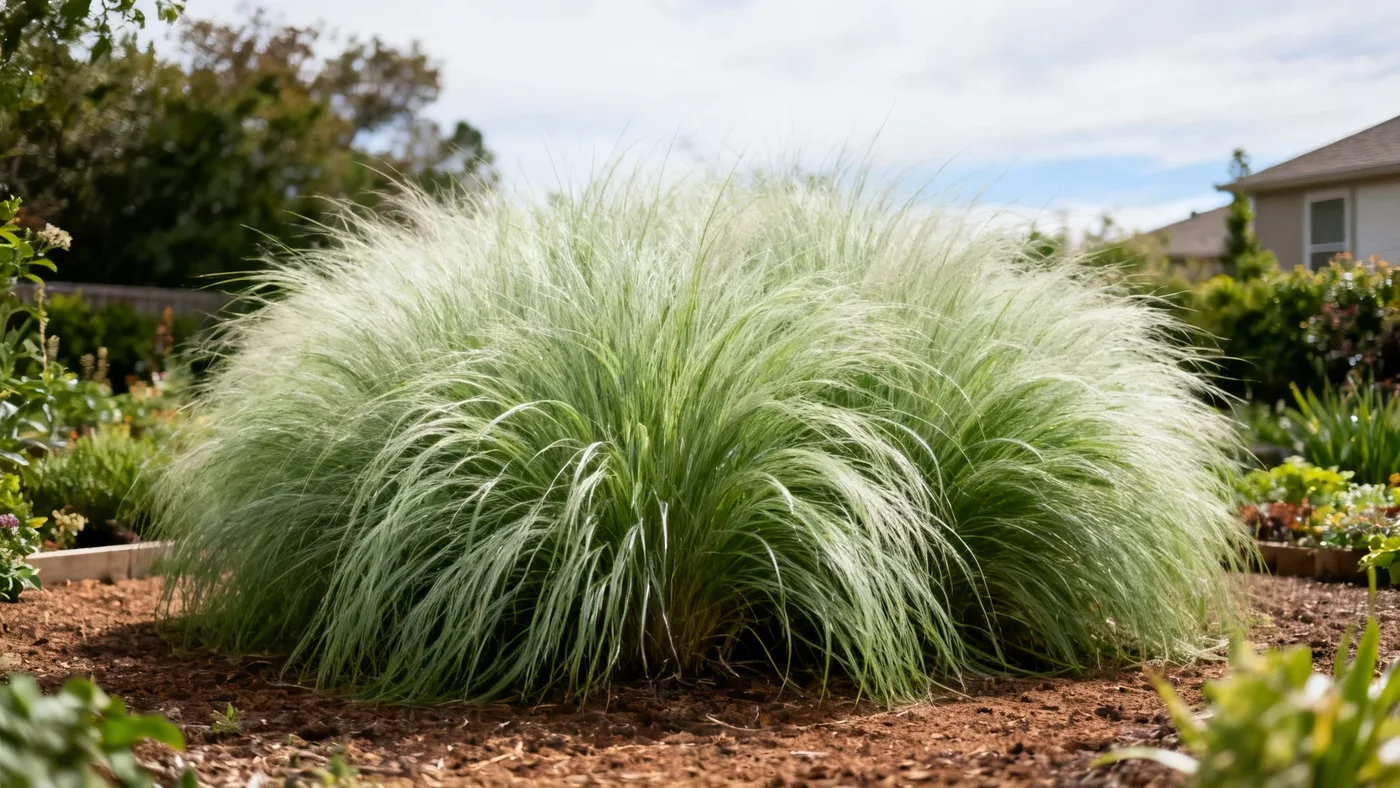
Sun Requirements for White Cloud Muhly Grass Explained
White Cloud Muhly Grass delivers those signature white, airy plumes every fall, but only if light conditions are right. Unlike some ornamental grasses that tolerate deep shade, this cultivar has specific sun needs to produce the impressive blooms that define it. This guide walks you through assessing your yard's light, positioning your plants for success, and understanding what to expect under different conditions.
Why Sun Matters for Bloom Production
White Cloud Muhly Grass is a warm-season perennial that thrives on direct sunlight. Full sun exposure triggers the energy reserves the plant needs to develop robust fall plumes. When light is insufficient, the plant survives, but flowering suffers visibly. The difference between full sun and part shade is not subtle: reduced bloom means fewer or shorter plumes, and sometimes no meaningful display at all.
The white plumes themselves emerge in fall (typically September through November, depending on your region) and persist through winter, providing texture and movement in the dormant garden. But that entire display depends on adequate light during the growing season.
Step-by-Step: Assess Your Yard's Sun Exposure
Materials You'll Need
- A notebook or smartphone app for tracking sun patterns
- Measuring tape (to note distances from trees, structures)
- A calendar or planner (for a 5-7 day observation window)
- An understanding of your USDA hardiness zone (zones 6-9 for this cultivar)
- Knowledge of your local sunrise and sunset times
Step 1: Identify Candidate Planting Areas
Walk your yard during the early morning and note patches that receive direct sun. Mark obvious shadowed areas, including the shade cast by trees, fences, buildings, and large shrubs. White Cloud Muhly Grass needs these sun-exposed spots. Avoid areas that are consistently shaded even in midsummer, and be cautious of south-facing locations if you live in zones 8 or 9, where afternoon heat can stress new plants, though mature specimens are drought tolerant once established.
Step 2: Track the Light Pattern Over Five to Seven Days
Spend a week observing your candidate location. Check it at 8 a.m., noon, 3 p.m., and 5 p.m. on at least three different days. Note when direct sunlight reaches the spot and when shade moves in. Full sun means six or more hours of direct, unobstructed sunlight per day. Most days during the growing season (spring through early fall) are what matter most, since that is when the plant builds the reserves needed for bloom.
Be thorough: a tree that is leafless in April will be fully leafed by June, dramatically changing how much light reaches beneath it. Plan your observation for late spring or summer to capture the most realistic light scenario.
Step 3: Measure Sunlight Hours Accurately
If your yard is complex (many trees, varied topography), consider using a free online sun-exposure tool or app that maps your property. Entering your address and noting existing shadows can confirm whether a location truly qualifies as full sun. A location receiving five hours of direct sun per day is borderline and will produce fewer blooms than a site with seven or eight hours.
Step 4: Choose Your Planting Spot
Prioritize locations with six or more hours of direct sun, particularly morning sun. East or southeast facing areas are ideal in warmer climates, as they receive gentle morning light without the intense afternoon heat. In cooler zones (6-7), a south-facing site may be appropriate. Avoid planting under the drip line of large trees or in the rain shadow of structures.
Step 5: Prepare the Site and Plant
Once you have confirmed a full-sun location, prepare the planting area following standard guidelines. White Cloud Muhly Grass adapts to many soil types but prefers well-drained soil. Spacing is 18 to 36 inches apart, depending on how quickly you want a dense appearance. Quart-size or number 1 container plants are common nursery sizes for both in-ground and container starts.
Plant in spring or early fall to give the plant time to establish roots before extreme heat or cold. Water regularly during the first growing season. Once mature, the cultivar is drought tolerant, a trait that emerges after 1-2 growing seasons of establishment. Regular water while establishing is essential regardless of sun exposure.
Managing Partial Shade Situations
Not every garden offers six uninterrupted hours of direct sun. If your property is heavily treed or you are working with a smaller space, you may be choosing between a part-shade location for White Cloud Muhly Grass or a different plant altogether.
White Cloud Muhly Grass tolerates light to part shade, but flowering is reduced in low-light conditions. This is not a guess: reduced bloom in low light is a documented common problem with the cultivar. If you plant in part shade, expect fewer plumes, shorter plumes, or no meaningful display in some years. A spot receiving three to four hours of sun will produce a healthy green clump, but the fall show will be diminished compared to a full-sun specimen.
If part shade is your only option, consider whether the green foliage alone is enough for your design. The fine-textured, wiry blades provide year-round ornamental value even without a robust bloom. Alternatively, choose a companion plant that thrives in shade for that location, and reserve a sunnier spot for White Cloud Muhly Grass if any is available.
Expected Results: What You'll See at Different Light Levels
Full Sun (6+ Hours Daily)
In full sun, a mature White Cloud Muhly Grass plant reaches 3 to 4 feet tall including bloom plumes, with the foliage clump typically 2 to 3 feet in diameter. In fall (September through November, depending on your region and the year), you will see a dense, cloud-like display of white plumes rising above the green foliage. The plumes are the defining trait of this cultivar and should be abundant in full sun. Winter interest persists as the plumes dry and the foliage takes on bronze or tan tones, providing texture through dormancy until you cut the plant back in late winter.
Light to Part Shade (3-5 Hours Daily)
The foliage remains attractive, and the plant will survive and grow at a moderate rate (roughly 1 to 2 feet of growth per year toward mature size within 2-3 seasons). However, plume production is noticeably lighter. You may see only scattered blooms rather than a full canopy of plumes. In some years or in deeper part-shade conditions, blooming may be minimal or absent altogether.
Heavy Shade (Fewer than 3 Hours Daily)
The plant is not recommended for heavy shade. While it may not die, growth will be weak, and you should not expect any meaningful bloom. A different ornamental grass or shade-tolerant perennial is a better choice for deeply shaded locations.
Common Mistakes and Tips to Ensure Success
Mistake 1: Planting Too Close to Deciduous Trees
A tree that is bare in spring may cast significant shade by midsummer once fully leafed. The site seemed sunny in April but becomes part-shade by July. Always assess light during the peak growing season (late May through August) to avoid this trap.
Mistake 2: Assuming Reflected Light Counts as Full Sun
Light bouncing off a south-facing wall or light-colored pavement does provide some benefit but is not a substitute for direct sun. Count only hours of direct, unobstructed sunlight.
Mistake 3: Overwatering or Over-Fertilizing in Shade
If you do plant in part shade, avoid the temptation to over-water to compensate for weak light. Shade combined with excess moisture increases the risk of rot. The plant prefers well-drained soil and is drought tolerant once established. Water only when the soil is dry to the touch, particularly after the first year.
Tip: Full Sun Plus Good Drainage Equals Robust Bloom
The combination of full sun and well-drained soil produces the strongest specimens. If your soil is heavy clay, amend it with compost or coarse sand before planting. The plant adapts to sandy, loamy, and clay soils but blooms best when water does not linger at the roots.
Tip: Monitor Growth in Year Two and Three
The plant often blooms in its first fall after spring planting, but reaches full mature size in about 2 to 3 years. By year three, you will have a clear sense of whether your light levels are sufficient. If blooming is underwhelming after two full growing seasons, consider relocating the plant to a sunnier spot or accepting that this cultivar is not ideal for your site.
Tip: Prune Correctly to Support Bloom
Cut the plant back to a few inches above the ground in late winter (February to March) before new spring growth emerges. This removal of last year's foliage and plumes allows the plant to direct all energy into new growth and subsequent bloom. No pruning is needed during the growing season. Over-pruning during the active season, or cutting back too late in spring, can reduce or eliminate that fall's bloom.
Quick Reference: Sun Requirements Checklist
| Light Condition | Hours of Direct Sun | Expected Bloom | Recommended? |
|---|---|---|---|
| Full Sun | 6+ hours daily | Abundant white plumes, September-November | Yes, ideal |
| Light Shade | 4-5 hours daily | Reduced plumes, some display | Acceptable if full sun unavailable |
| Part Shade | 3-4 hours daily | Minimal or no plumes | No; choose another plant |
| Heavy Shade | Fewer than 3 hours daily | No meaningful bloom | No |
For more details on caring for established plants, including watering and pruning schedules, see our complete White Cloud Muhly Grass care guide. If you are planting from scratch, our planting guide covers site preparation and spacing in detail.