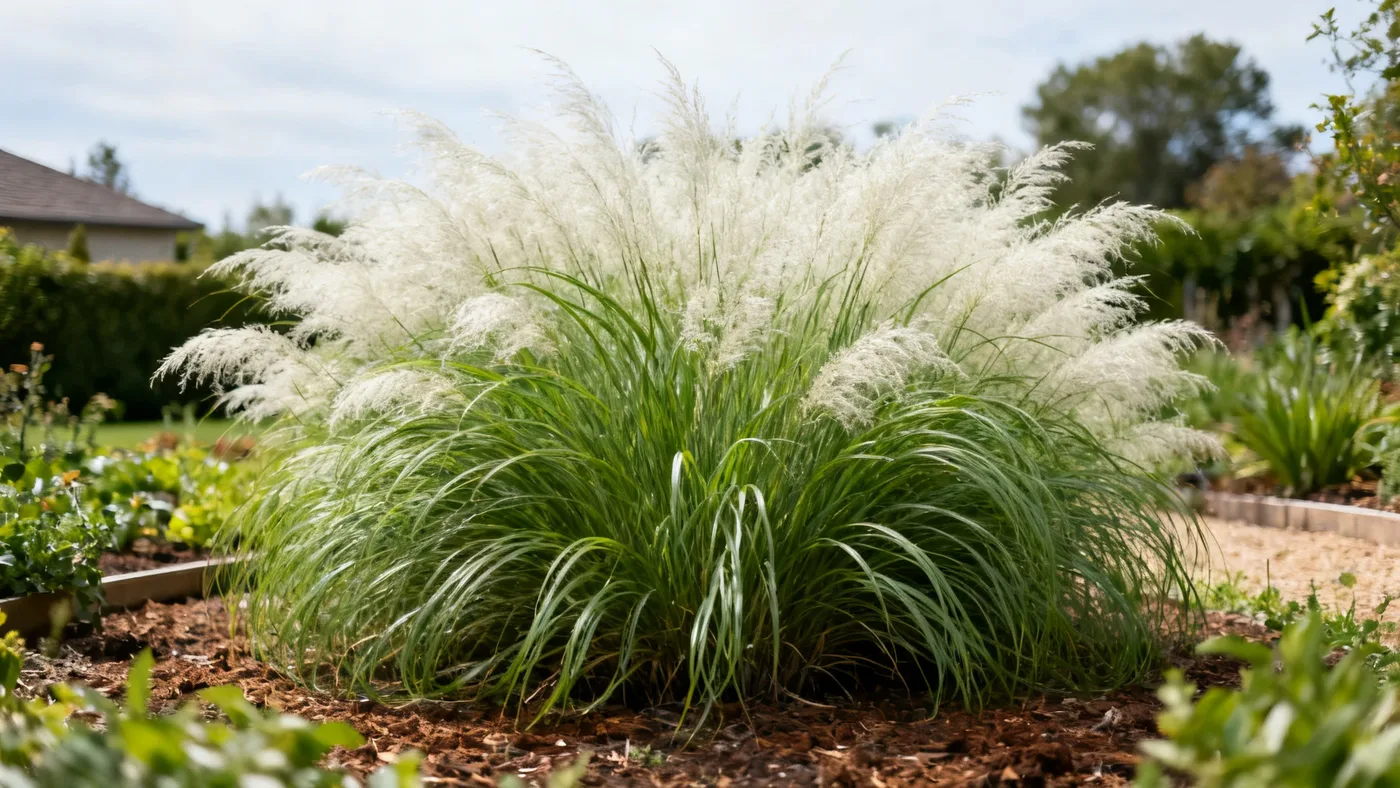
Do You Need to Fertilize White Cloud Muhly Grass?
The honest answer is no, you probably don't need to fertilize White Cloud Muhly Grass at all. This warm-season ornamental grass is built for low-maintenance gardens and performs best with minimal feeding. That said, understanding the right approach to fertilizing white cloud muhly grass helps you avoid the most common mistake growers make: applying too much fertilizer. Overfeeding produces weak, floppy growth and fewer of those signature white cloud plumes you planted it for.
Does Muhly Grass Need Fertilizer?
White Cloud Muhly Grass does not require fertilizer to survive or bloom. The plant is naturally vigorous and reaches its mature size (3 to 4 feet tall with plumes, 2 to 4 feet wide) within 2 to 3 years even on average soil. Many gardeners grow it successfully without ever applying fertilizer.
However, a light application of balanced fertilizer in spring is optional if your soil is particularly poor or if you want to give the plant a gentle boost during its first growing season. The key word is "light." When it comes to white muhly grass feeding tips, restraint wins. Less is more with this grass.
Why Minimal Fertilizer Matters
Over-fertilizing causes two major problems. First, excess nitrogen promotes soft, lush foliage that grows quickly but becomes weak and floppy. The clump loses its upright structure and the stems bend or collapse under their own weight or during wind or rain. Second, too much fertilizer reduces bloom quality. Heavy feeding delays or suppresses the white plumes that appear in fall (September through November), defeating the main reason you planted this grass in the first place.
Nutrient-hungry plants often look impressive at first, but their vigor comes at the cost of stress and poor performance later. White Cloud Muhly Grass evolves in lean soil and actually performs better in moderate conditions. This is one case where feeding your plant less produces better results.
When to Apply Fertilizer: Spring Timing
If you decide to fertilize, the only time that makes sense is spring, right after you cut back the dried clump. The plant is emerging from dormancy and beginning active growth. A single, light feeding in spring supports healthy new shoots as they emerge.
Never fertilize in fall or late summer. Fertilizing after midsummer stimulates tender new growth that won't harden off before cold weather arrives, reducing winter hardiness. Your goal is to support the plant's natural rhythm, not force year-round growth. A white cloud muhly grass fertilizer schedule, if you follow one at all, consists of one optional application in early spring (March or April) and nothing else for the rest of the year.
Best Fertilizer for Muhly Grass
If you apply fertilizer, use a balanced formula. A balanced fertilizer has equal or nearly equal concentrations of nitrogen, phosphorus, and potassium, typically labeled as something like 10-10-10 or 5-5-5. Avoid high-nitrogen fertilizers (such as lawn fertilizers with ratios like 20-5-5), which promote excessive leaf growth at the expense of flowers.
The best fertilizer for muhly grass is one applied in very small amounts. A light application means applying roughly half the recommended rate on the package, or using a slow-release granular formula at the label's recommended rate. Organic options like compost worked into the soil in spring also work well and feed the plant slowly without the risk of burning or over-fertilizing.
If your soil is in reasonable condition and not obviously depleted, skip fertilizer entirely. A soil test from your local cooperative extension office tells you exactly what your soil contains. Many home gardeners discover their soil is richer than they thought and doesn't need supplemental feeding.
Step-by-Step Fertilizing (If You Choose To)
Follow these steps only if you decide to fertilize. Remember, this is optional.
- Time it right. Apply fertilizer in early spring, ideally just after you've cut back the dried clump to a few inches above the ground (late February or March). Wait until you see new green growth beginning to emerge.
- Choose your fertilizer. Select a balanced fertilizer in granular, liquid, or organic form. Read the package label carefully and note the application rate per square foot or per plant.
- Apply at half strength or less. If the package says to apply 1 pound per 100 square feet, use half that amount or skip a year of application. This is crucial for avoiding floppy growth. Do not assume "if some is good, more is better."
- Spread granules evenly. If using granular fertilizer, scatter it around the base of the clump, staying 3 to 4 inches away from the crown. Spread it as evenly as possible within a 12 to 18-inch radius of the plant.
- Water after applying. Water the area thoroughly after fertilizing so the nutrients soak into the soil. This also reduces the risk of fertilizer burning the foliage if it contacts the leaves during application.
- Do not fertilize again that year. One application in spring is enough. Do not add more fertilizer in summer or fall.
What to Avoid: Common Fertilizing Mistakes
These errors lead directly to disappointing results.
- Applying too much fertilizer. The most common mistake. Heavy feeding produces soft, weak growth and reduced blooming. Resist the urge to "help" the plant.
- Using high-nitrogen lawn fertilizer. Products marketed for grass lawns are formulated to maximize green foliage, not ornamental structure or flowers. Avoid them for this grass.
- Fertilizing young plants repeatedly. Newly planted nursery stock (usually sold in quart or #1 containers) needs water and time to establish, not a fertilizer boost. Let the root system settle for at least one full growing season before considering any supplemental feeding.
- Fertilizing after midsummer. Late-season feeding stimulates growth that won't toughen up before winter and reduces cold hardiness in zones 6 through 9.
- Applying fertilizer to dry soil. Always water the area first or fertilize right after rain. Applying fertilizer to parched soil risks burning the roots.
- Forgetting about soil quality. Before fertilizing, understand your soil. Clay soil, sandy soil, and loamy soil all hold nutrients differently. A soil test costs $15 to $30 and tells you exactly whether you need to fertilize at all.
Expected Results and Timeline
White Cloud Muhly Grass grows at a moderate rate, roughly 1 to 2 feet per year until reaching mature size. With or without spring fertilizer, the plant reaches full clump size within 2 to 3 years. If you fertilize, you might see slightly faster early growth, but the difference is subtle and often not worth the risk of overdoing it.
Bloom arrives reliably in fall (September through November), and this is where fertilizer decisions matter most. A plant given modest or no fertilizer will produce abundant white plumes. An overfertilized plant may skip blooming that year or produce thin, sparse plumes because all the energy went into leafy growth instead.
For the best appearance, the plant benefits from the approach described in our White Cloud Muhly Grass care guide: good drainage, full sun (6+ hours daily), regular water during the first 4 to 6 weeks after planting, and then drought tolerance takes over. Once established, water it only during extended dry periods. This balanced approach delivers better results than any fertilizer program.
Fertilizer Needs in Different Soil Types
Your soil type influences whether fertilizing makes sense.
- Sandy or loamy soil: Generally contains fewer nutrients and may benefit from light spring feeding if very poor. However, even in sandy soil, one application of balanced fertilizer is sufficient. Do not fertilize annually.
- Clay soil: Holds nutrients well and rarely needs fertilizer. If your soil is clay, skip fertilizing entirely and focus on drainage. Amend with compost to improve structure, not to add more nutrients.
- Amended or garden soil: If you worked compost or aged manure into the planting hole, the plant already has adequate nutrients for the first year. Fertilizer is unnecessary.
On drought tolerance, White Cloud Muhly Grass shines regardless of fertilizer. Learn more about why this grass excels in low-water gardens in our article on whether White Cloud Muhly Grass is drought tolerant.
Quick Reference: Fertilizing Checklist
| Aspect | Recommendation |
|---|---|
| Is fertilizer necessary? | No. The plant thrives without it. |
| Is fertilizer optional? | Yes. Light spring application only if soil is very poor. |
| Best fertilizer type | Balanced formula (e.g., 10-10-10 or 5-5-5); organic compost also works. |
| Application amount | Half the recommended rate, or follow package if using slow-release granules. |
| When to fertilize | Early spring only (March or April); never in fall or summer. |
| Frequency | Once per year maximum, or skip entirely. |
| Newly planted grass | Wait one full growing season before considering fertilizer; focus on water during establishment. |
| Risk of over-fertilizing | Floppy growth, reduced bloom, fewer white plumes in fall. |
| Avoid | High-nitrogen lawn fertilizers; fertilizing on dry soil; multiple applications per year. |
| Growth rate (with or without fertilizer) | Roughly 1 to 2 feet per year; mature size in 2 to 3 years. |
| Expected bloom timing | Fall (September through November); reduced bloom if overfertilized. |
| Lifespan | 10+ years with proper care; fertilizer not required for longevity. |