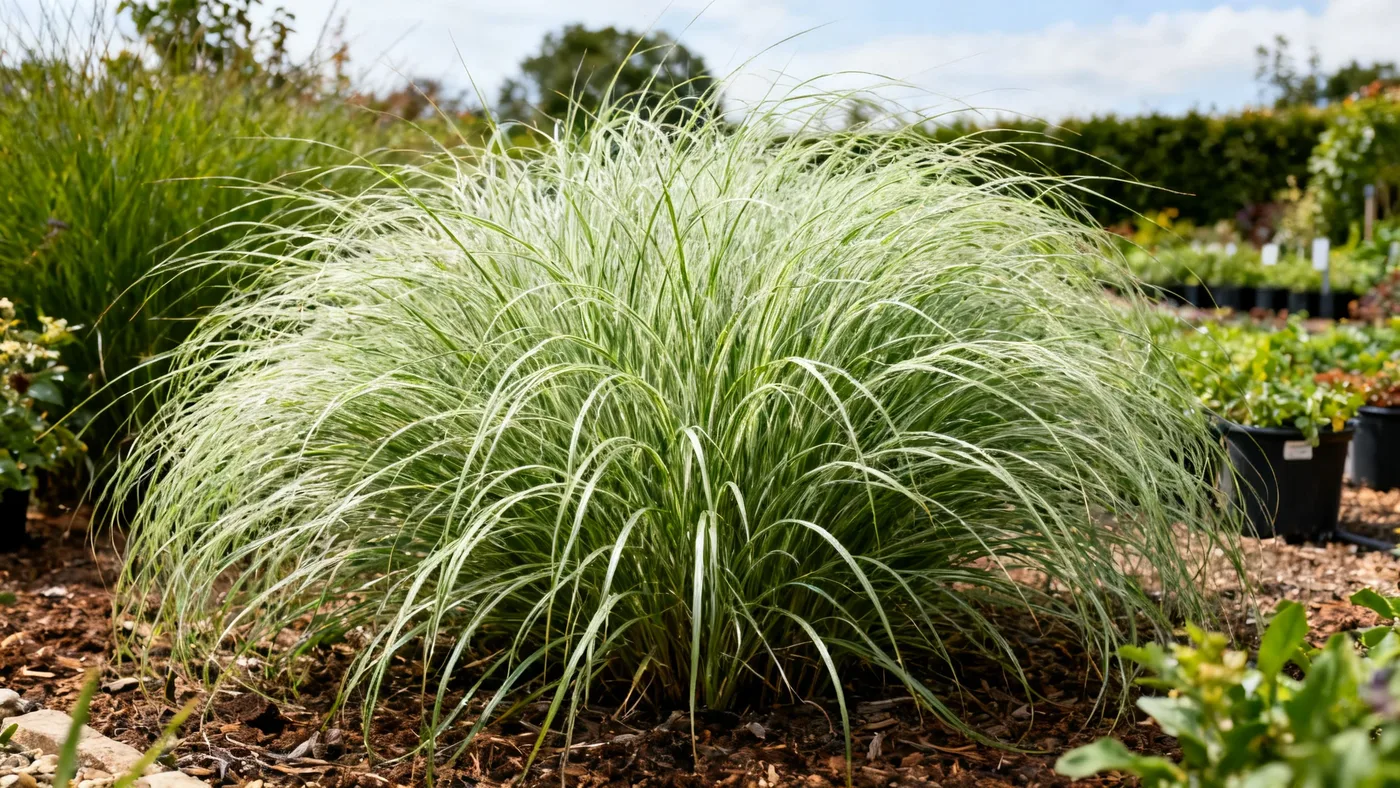
White Cloud Muhly Grass FAQ: 12 Most Asked Questions Answered
White Cloud Muhly Grass is a prized ornamental grass known for its striking white fall plumes and fine-textured foliage. Here are the most frequently asked questions about growing and caring for this distinctive warm-season grass.
Plant Basics and Identification
What is White Cloud Muhly Grass?
White Cloud Muhly Grass (Muhlenbergia capillaris 'White Cloud') is a warm-season ornamental grass cultivar known for producing white, cloud-like flower plumes in fall. This is a herbaceous perennial that grows to 3-4 feet tall including bloom plumes, with the foliage clump reaching 2-3 feet. It's a cultivated selection of the species Muhlenbergia capillaris, which is native to the southeastern and south-central United States.
How is White Cloud different from regular Pink Muhly Grass?
The main difference is bloom color: White Cloud produces airy white plumes starting in fall, while the straight species (Pink Muhly Grass) produces pink to reddish plumes. Both plants share similar growing requirements and mature size, so the choice typically comes down to which bloom color fits your garden design. White Cloud's white plumes tend to be more visible from a distance and create a lighter, airier visual effect.
What USDA zones can grow White Cloud Muhly Grass?
White Cloud Muhly Grass thrives in USDA zones 6 through 9, though some nurseries list it as hardy to zone 5. If you're at the northern edge of zone 6, plant in spring to give the grass a full growing season to establish before winter arrives. Gardeners in zone 10 or warmer should check with their local extension service, as the grass may struggle with excessive heat and humidity.
Growing Conditions and Site Selection
How much sun does White Cloud Muhly Grass need?
White Cloud Muhly Grass performs best in full sun, where it will produce the most abundant and dense flower plumes. The grass tolerates light shade or part shade but will produce fewer blooms in reduced light. If planting in areas with less than 6 hours of direct sun daily, expect diminished flowering and potentially looser, less compact growth.
What type of soil does this grass prefer?
White Cloud is highly adaptable to soil type and will thrive in sandy, loamy, or even clay soils, provided drainage is good. The grass prefers well-drained soil and will struggle in soggy or waterlogged conditions year-round. Soil pH can range from acidic to slightly alkaline (approximately 5.5 to 7.5), so a soil test isn't necessary unless you're working with extremely poor soil.
Does White Cloud Muhly Grass tolerate salt?
Yes, White Cloud has high salt tolerance and is commonly used in coastal gardens and landscapes exposed to salt spray. This makes it an excellent choice for seaside plantings, areas near salted roads, or gardens where de-icing salts may accumulate. If you're gardening in a coastal or high-salt environment, White Cloud is a reliable performer.
Planting and Spacing
When is the best time to plant White Cloud Muhly Grass?
Plant in spring or early fall to allow the grass time to establish before extreme heat or cold. Spring planting works well in northern zones (6-7), giving the grass a full growing season; early fall planting suits southern gardeners (zones 8-9) and allows establishment before summer heat returns. Avoid planting in mid-summer or late fall, as the grass will struggle to root in before stress arrives.
How far apart should I space these plants?
Space White Cloud Muhly Grass 18 to 36 inches apart depending on how quickly you want a filled-in look. Closer spacing (18-24 inches) creates a dense mass planting in 1 to 2 seasons, while wider spacing (30-36 inches) works for naturalistic or meadow-style plantings where individual clumps are meant to show. Refer to our planting guide for step-by-step instructions.
How long does it take to reach full size?
White Cloud Muhly Grass grows at a moderate rate of roughly 1 to 2 feet per year and reaches full mature size (3-4 feet tall and 2-4 feet wide) in approximately 2 to 3 seasons. Many plants will produce flowers in their first fall after spring planting, though the clump will continue expanding through year two and three. This relatively quick maturation makes it popular for fast landscape fill.
Watering and Drought Tolerance
How much water does White Cloud Muhly Grass need?
Water regularly while the grass is establishing (the first growing season), keeping soil consistently moist but not waterlogged. Once established, White Cloud is drought tolerant and requires only occasional supplemental watering during extended dry spells. Full mature plants rarely need irrigation in regions with 20+ inches of annual rainfall.
Is this grass suitable for dry gardens or xeriscaping?
Yes, once established, White Cloud is an excellent choice for xeriscape gardens and dry landscape settings. Its high drought tolerance makes it ideal for water-wise landscaping, though consistent moisture during year one accelerates establishment. In arid regions, mulch around new plants to conserve moisture and moderate soil temperature while roots develop.
Pruning, Maintenance, and Seasonal Care
When and how should I prune White Cloud Muhly Grass?
Cut the grass back to a few inches above the ground in late winter (February through March) before new spring growth emerges. Use hedge shears, a string trimmer, or pruning saw; the goal is to remove all the previous year's dried foliage and plumes. Do not prune during the growing season; the winter dormancy makes cutting safer and timing it right preserves next fall's bloom.
Does this grass need fertilizer?
White Cloud Muhly Grass requires minimal fertilizer and often thrives without any supplemental feeding. A light application of balanced fertilizer in spring is optional; over-fertilizing causes floppy, weak growth and actually reduces flowering. If your soil is poor or compacted, a single spring feeding or fall organic amendment is sufficient.
What does the foliage look like in winter?
After bloom, the foliage takes on a bronze or tan cast in late fall and persists through winter as attractive dried material. The white seed plumes remain showy and provide texture and movement in the winter garden until you cut the plant back in late February or March. Many gardeners leave the plumes standing for winter interest and wildlife benefit.
Bloom Time and Seasonal Interest
When does White Cloud Muhly Grass bloom?
White Cloud produces its distinctive white plumes in fall, typically from September through November depending on your region and climate. Bloom timing shifts by latitude and year-to-year weather, so the exact window varies. The flowers emerge from the foliage clump on fine, wiry stems and create an airy, cloud-like appearance that persists well into winter.
Do the plumes have any scent?
No, White Cloud Muhly Grass flowers are not fragrant. The plant is wind-pollinated and produces no notable scent. If fragrance is important to your garden design, pair this grass with scented companion plants like salvia or aromatic perennials.
Pests, Diseases, and Common Problems
Is White Cloud susceptible to pests or disease?
White Cloud is generally pest-free and hardy. Occasional stress can invite mealybugs or scale, though these rarely cause significant damage. Rust is possible in humid conditions or where air circulation is poor; proper spacing and pruning minimize this risk. Root rot and crown rot only occur in persistently soggy soil, so well-drained planting sites prevent these problems entirely.
What causes floppy or weak growth?
Excessive shade, over-watering, or over-fertilizing are the main culprits behind floppy or lodging growth. White Cloud evolved for full sun and lean soils; too much shade weakens the stems, and too much nitrogen produces soft, sprawling foliage. Ensure your plant receives at least 6 hours of direct sun and avoid supplemental feeding unless soil is truly depleted.
Is White Cloud toxic to pets?
No, White Cloud Muhly Grass is not known to be toxic to dogs, cats, or other pets. The grass is completely safe if your pet nibbles on it, though most pets show little interest. It's also safe around children and edible gardens.
Landscape Uses and Companions
What are the best companion plants for White Cloud Muhly Grass?
White Cloud pairs beautifully with Black-eyed Susan (Rudbeckia), Salvia, Little Bluestem, Coneflower (Echinacea), and Lantana. These companions bloom in late summer and fall, creating a layered look that complements the grass's white plumes. Combining White Cloud with shorter perennials or shrubs creates depth and keeps the garden looking lush as temperatures cool.
Can I grow White Cloud Muhly Grass in containers?
Yes, White Cloud is suitable for container growing in well-drained potting mix and a large pot (at least 12 inches deep). Quart-size plants are commonly sold for both in-ground and container starts, so you can begin with a smaller specimen and upsize the pot as it grows. Container plants may need occasional watering and should be brought indoors or protected in zone 5 if grown in extremely cold climates.
Propagation and Long-Term Care
How do I propagate White Cloud Muhly Grass?
Divide established clumps in spring just as new growth begins, using a sharp spade to separate sections with roots intact. Named cultivars like 'White Cloud' are best propagated by division to preserve the white bloom trait. Seed can be sown but may not produce plants identical to the parent; nursery-grown plants propagated vegetatively ensure you get true white plumes.
How long do these plants live?
White Cloud is a long-lived perennial grass that commonly persists for 10+ years or longer with good drainage and proper care. The grass can be rejuvenated by division if the center declines or growth slows. Even mature, established plants rarely need replacement if soil drainage is maintained.
Quick Reference
| Characteristic | Details |
|---|---|
| Plant Type | Warm-season ornamental grass (herbaceous perennial) |
| Mature Height | 3-4 ft (including bloom plumes); foliage 2-3 ft |
| Mature Width | 2-4 ft |
| USDA Zones | 6-9 (some sources list 5-9) |
| Sun Requirement | Full sun (6+ hours); tolerates part shade with reduced bloom |
| Water Need | Regular while establishing; drought tolerant once established |
| Soil | Adaptable; prefers well-drained, sandy to loamy soil |
| Soil pH | Acidic to slightly alkaline (5.5-7.5) |
| Spacing | 18-36 in apart |
| Bloom Time | September through November (varies by region) |
| Bloom Color | White, airy plumes |
| Growth Rate | Moderate, 1-2 ft per year; mature in 2-3 years |
| Pruning | Late February to March; cut to a few inches above ground |
| Fertilizer | Minimal; light spring application optional only |
| Salt Tolerance | High; suitable for coastal gardens |
| Deer Resistance | Good to high |
| Lifespan | 10+ years with good drainage; rejuvenated by division |
| Pet Toxicity | Not toxic to dogs, cats, or people |
Need more detail on care? See our complete care guide for in-depth growing tips and troubleshooting.