Why Is White Cloud Muhly Grass Sold as Pink Muhlygrass?
You pick up a pot tagged "Pink Muhlygrass 'White Cloud'" and hold it next to a photo of pale, frothy plumes. The word pink and the picture disagree, and the frown is fair. The tag is not lying, and it is not quite helping either.
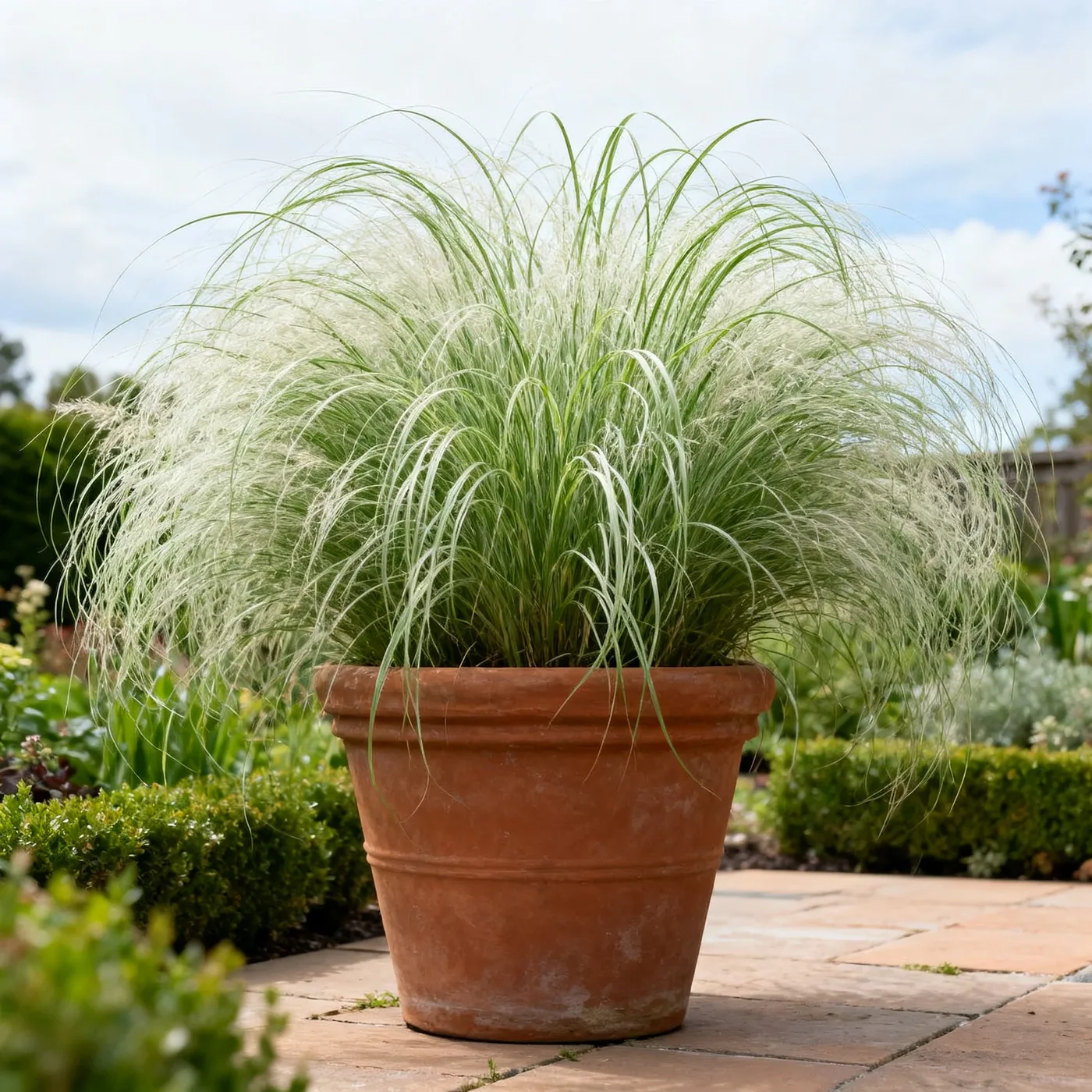
Pink Muhlygrass is the common name of the species, Muhlenbergia capillaris, and White Cloud is a cultivar of it, so the trade name carries both. Read correctly, the tag describes exactly the plant in the photo. Read carelessly, it can steer you to the pink species or to a seller who cannot tell the two apart.
This guide covers everything you need to know about buying White Cloud under a pink label, from reading the tag and judging listings to confirming the seller, the pot size and the color in fall.
Is This White Cloud Muhly Grass or Something Pinker?
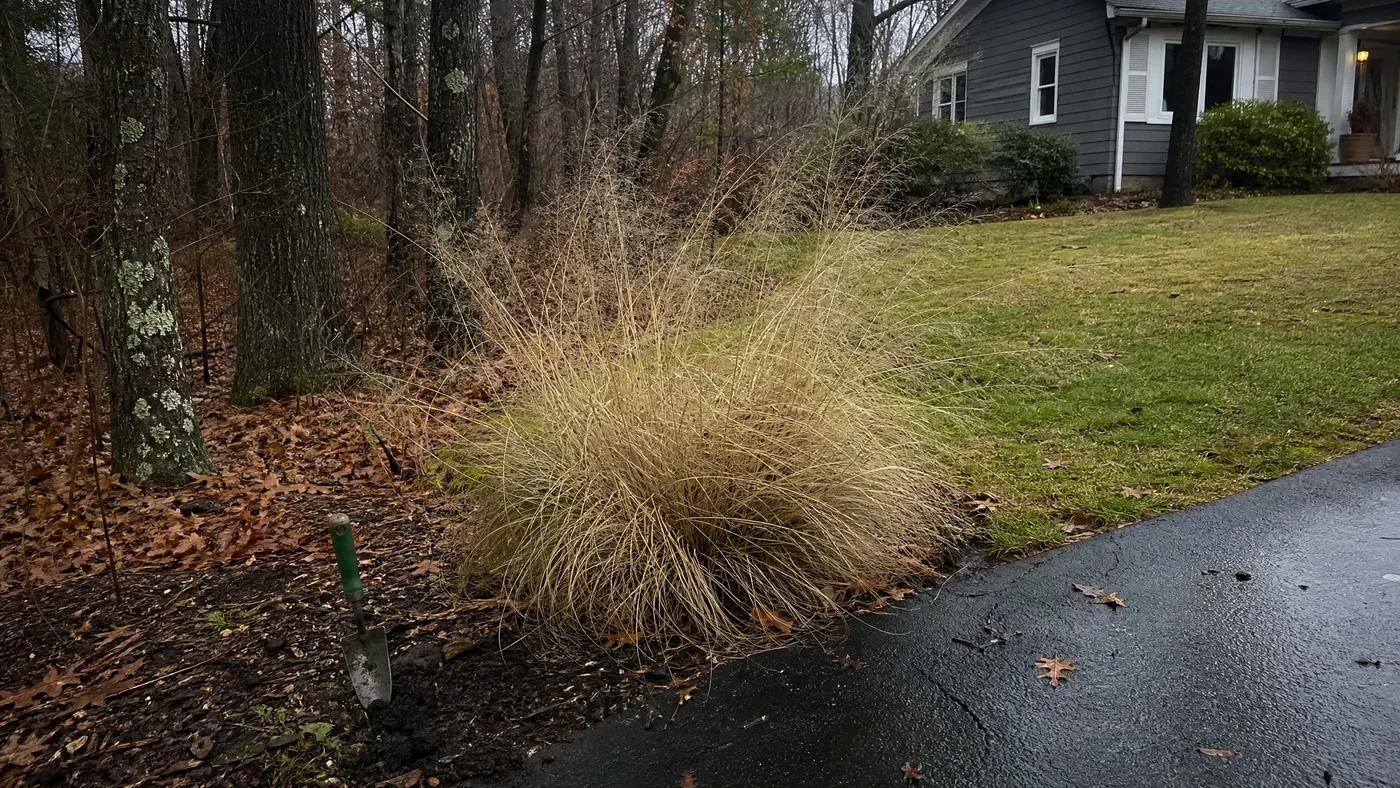
Treat this as a diagnosis, because the pot itself shows you almost nothing. UF/IFAS Extension in Charlotte County calls White Cloud a white flower-head cultivar identical in all the features to the pink version. Same narrow leaves, same tidy clump, same habit. Only the plume color changes, and plumes do not exist yet on most pots you will meet in spring and summer.
What Separates the Two in Bloom
The species' plumes are often pink, purplish red or purplish gray. White Cloud instead carries airy white flowers that bloom after the pink ones. That later, whiter show is the cultivar's signature, and it happens in your garden in fall, not at the garden center in May.
What You Can Read on a Pot
If the pot is green and the tag names only the species, you cannot tell which plant you hold. If the tag carries 'White Cloud' in quotes, it is the cultivar. If it says only Pink Muhlygrass or Muhlenbergia capillaris, assume the pink species, because that is what the bare name means.
Wanting both colors is a perfectly good goal, and our guide to growing White Cloud and pink muhly grass together covers it. It is a deliberate purchase of two plants, though, not a happy accident from one ambiguous tag. For now, keep reading the tag until you find the quoted name, and never buy on the first word alone.
When a Seller Lists White Cloud Muhly Grass Under Pink
"Pink Muhlygrass 'White Cloud'" is the standard way to write a cultivar: the common name of the species first, then the cultivar name in single quotes. It only reads as a contradiction because the common name belongs to the parent. The species goes by a long string of names, including Pink Muhly Grass, Muhlygrass, Gulf Muhly, Hairgrass, Mule Grass and Purple Muhly, and Pink is simply the one most shoppers know.
Sellers who file the plant under the species keep the parent name because the plant is botanically the same species. Mississippi State's extension service, writing about the species for winter color, mentions a selection with billowing, white flower masses called White Cloud. That is the whole story behind the odd tag. Nobody is hiding a pink plant behind a white name.
Three Ways the Name Gets Written
Most listings fall into one of three patterns, and each points to a different plant.
- Pink Muhlygrass 'White Cloud': species name plus cultivar, so you are looking at White Cloud.
- White Cloud Muhly Grass: the cultivar name leads and the parent name is dropped, which also means White Cloud.
- Pink Muhlygrass or Muhlenbergia capillaris alone: no cultivar named, so assume the pink species until the seller proves otherwise.
One of the most common questions we get is whether the pink in the name will show up in the plumes. It will not when the quoted cultivar name is there. Treat the suffix as the deciding word and everything before it as the parent's name.
Which Listings Deserve a Second Look
The trigger is rarely the word pink. It is what is missing next to it. Run each listing through the same few checks before you put anything in a cart, and let the table below sort the patterns we see most.
| What the listing shows | What it probably means | Your move |
|---|---|---|
| 'White Cloud' in the name, white plumes in the photos | Name and image agree | Keep |
| Pink Muhlygrass with no suffix, pink photos | The pink species | Skip unless you want pink |
| 'White Cloud' in the name, only pink photos | Photos may show the species | Ask for a photo of the actual stock |
| White plumes in photos, no cultivar named | Possibly White Cloud, unconfirmed | Ask which cultivar it is |
Missing suffix. If the name stops at Pink Muhlygrass, the seller has told you what they are selling, and it is the species. White plumes in the photos do not override that, since an image can come from anywhere.
Pink-only photos. If the suffix is present but every image shows rose-colored plumes, the pictures may be stock shots of the species. White Cloud blooms later than the pink form, so a seller photographing stock at peak pink season may simply have no White Cloud images yet. Ask for one of the actual plants.
The rule is short: keep a listing when the name and the photo agree, and skip it when either one is missing and the seller cannot settle it in a message or two.
Ordering White Cloud Muhly Grass From a Pink-Labeled Source
A seller who files White Cloud under pink is not a red flag. Most are following species convention, the same way the tag on your pot does. Your job is to close the gap between the name and the stock with a short message, or a quick look at the pot tag if you are buying in person.
Five Things to Confirm
Send these before you order, in one message, and keep the reply.
- Ask whether the plant is the cultivar 'White Cloud' by name, not just "white muhly" or "the white one."
- Ask whether the photos show the actual plants being shipped or stock images.
- Ask whether the plants are grown from seed or propagated by division, and read our guide on whether seed-grown White Cloud stays white before you accept a vague answer.
- Ask what size and age the plant will be on arrival, so you are not guessing from a thumbnail.
- Ask what happens if the plumes open pink, whether that means a replacement, a refund or nothing.
Order or Look Elsewhere
If the reply names White Cloud, confirms the stock and answers the propagation and return questions plainly, order. If you hear "it's all pink muhly, it'll be fine" or the answer dodges the cultivar, look elsewhere. That reply tells you the seller does not distinguish the two plants, and you cannot fix that after the plant arrives.
In person, read the tag on the pot itself rather than the shelf sign, since signs get moved between benches. A pot with no plumes in May is not a problem. A pot with no cultivar name anywhere on it is.
Deciding Whether the Price Matches White Cloud Muhly Grass
Price tells you little about color, but it can tell you whether the seller knows the plant. Because the two plants differ only in plume color, we see no reason for a steep premium on White Cloud over the pink species in the same pot size. If a seller lists both, expect the prices to sit close together. A White Cloud far cheaper than the pink may be unlabeled seed-grown stock, and one far dearer deserves a question about why.
What Size You Are Really Buying
Clemson's extension lists White Cloud at 1–3 feet high and wide, with clouds of white flowers in September. NC State gives the species as 2–3 feet tall and notes it can reach 4 feet. So paying extra for a large pot buys a head start, not a bigger mature plant. Sources rate the growth rate medium to fast, so a smaller pot catches up faster than you would expect.
Choosing a Pot and a Budget
Our guide to container sizes and what to look for goes deeper, but the practical choice is this. For a border or mass planting, buy more mid-size pots rather than fewer big ones. Spacing is 2–3 feet, so a 10-foot run takes three to five plants, and a full row filling in together looks better than one large clump with gaps beside it.
Set the budget by plant count, not by the biggest pot you can afford. If money is tight, choose the smaller container from a seller who names the cultivar over the larger one from a seller who does not.
Settling the Purchase and Planting Plan
Everything above collapses into one path. Follow it in order and you will know before your first frost whether the pot matched the picture.
- Pick a listing where the quoted 'White Cloud' appears in the name and the photos show white plumes.
- Send the confirmation message and save the answer.
- On arrival, check that the tag carries the cultivar name and keep it with your planting notes.
- Plant in full sun, meaning six or more hours of direct light, in well-drained soil. The species is hardy in zones 5–9, and our planting guide walks through the hole and the first season.
- Leave the dried plumes standing through winter, then cut the clump back to about 6 inches in late winter before spring growth starts.
Confirm the Color in Fall
This is the step that settles the question, and it cannot happen earlier. White Cloud opens its white plumes in September, and the bloom timing guide explains how long they last. In our rows, the white shows up a little after the pink ones, so give it time before you judge.
If the plumes open pink, photograph the plant next to the saved tag and contact the seller with both. If they open white, you are done, and the pink on the label was only the parent's name.
White Cloud Muhly Grass Behind a Pink Label
The word pink on a White Cloud tag is the species name doing its usual job. The quoted cultivar name decides what you are getting, a seller who can confirm it is worth ordering from, and the plumes in September are the final proof. Price and pot size matter, but they only help once the name is settled.
Rule of thumb for the next time pink shows up on a tag: look for the quoted name after it, and trust that over the first word.
White Cloud Muhly Grass
Nursery-grown White Cloud Muhly Grass in sizes from Quart, shipped to your door.
From $39.99
Shop Now →Our White Cloud Muhly Grass grows in bright sun in our fields, in loose ground that sheds water quickly and asks for very little else. We ship only plants we would plant ourselves, so the cultivar named on the pot is the one that sends up white plumes in your garden come September. If a true White Cloud is what you were after, come and see the plants we have ready.