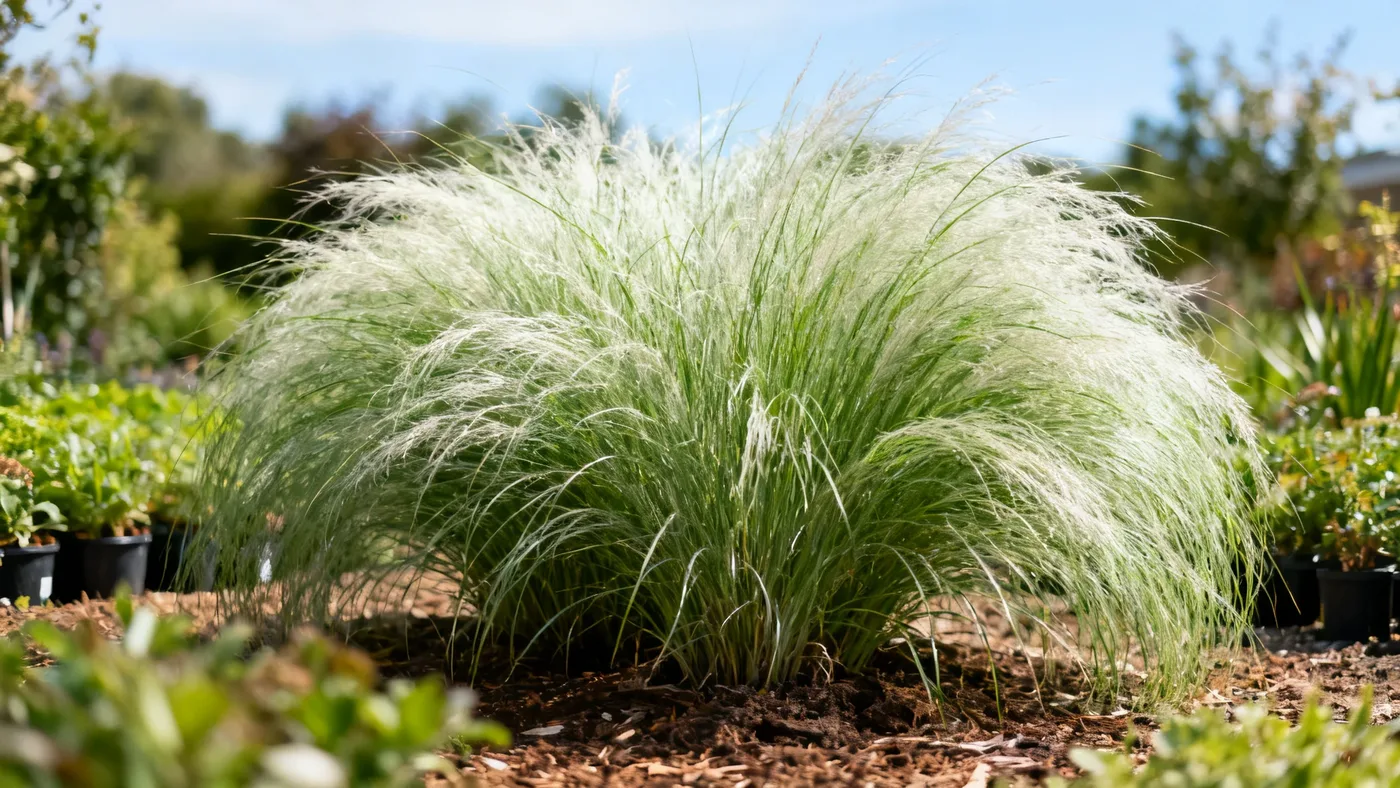
White Cloud Muhly Grass Hardiness Zones: Where Will It Grow?
White Cloud Muhly Grass (Muhlenbergia capillaris 'White Cloud') thrives in USDA hardiness zones 6 through 9, making it suitable for much of the eastern and central United States. Whether you're planting in a cold northern garden or a warm southern landscape, understanding the hardiness zone map and your plant's cold tolerance helps you succeed from day one. This guide answers the questions home gardeners and landscapers ask most about zoning, winter survival, and regional planting for this elegant ornamental grass.
Zone Overview and Basic Hardiness
What hardiness zones does White Cloud Muhly Grass grow in?
White Cloud Muhly Grass is hardy in USDA hardiness zones 6 through 9. Some nurseries extend this range to zone 5, though hardiness at zone 5 can be inconsistent depending on winter conditions and soil drainage. The plant is native to the southeastern and south-central United States, where these zones naturally occur, so it performs most reliably in this temperature range.
Is White Cloud Muhly Grass cold hardy?
Yes, White Cloud Muhly Grass is cold hardy within its rated zones and has good tolerance for winter freezes. The plant's root system is resilient, and established clumps survive temperatures typical of zones 6-9. Winter protection is not necessary in these zones, though in zone 5 (if attempting this cultivar there) mulch around the base and select a sheltered planting spot to improve survival odds.
Will White Cloud Muhly Grass survive my climate?
To find out, check your USDA hardiness zone using your zip code on the USDA zone map. If you're in zones 6-9, the plant is well-suited to your climate. If you're in zone 5 or colder, or zone 10 and warmer, check with your local extension service for cultivar-specific experience in your area, as hardiness varies by location and microclimate.
What's the difference between zone 5 and zone 6 hardiness?
Zone 5 winters reach minimum temperatures of -20 degrees Fahrenheit, while zone 6 minimums drop to -10 degrees Fahrenheit. White Cloud Muhly Grass is reliably hardy at zone 6 and above. At zone 5, the plant may survive some winters but can be unpredictable, especially if a hard freeze follows a warm spell or if the soil stays waterlogged through the cold season.
Does White Cloud Muhly Grass survive zone 9 summers?
Yes, the plant tolerates zone 9 heat well, especially in the upper parts of zone 9. Once established, it has high drought tolerance and handles heat stress. In the hottest or most humid parts of zone 9 (or in zone 10), the plant becomes marginal and may struggle, so check with local nurseries and extension agents before planting far outside the stated range.
Cold Hardiness and Winter Survival
Does White Cloud Muhly Grass need winter protection?
In zones 6-9, no winter protection is needed. The plant is hardy enough to survive dormant without mulch or covering. If you plant it in zone 5 or in an exposed location, a 2 to 3-inch mulch layer around the base (not over the crown) in late fall can buffer soil temperature swings and improve survival odds.
When should I cut back White Cloud Muhly Grass before winter?
Do not cut back in fall. Leave the dried foliage and white seed plumes standing through winter; they provide winter interest and bird habitat. Cut the entire clump back to a few inches above the ground in late February or early March, just before new spring growth emerges. This timing protects the dormant crown from freezing and thaw cycles.
What's the winter appearance of White Cloud Muhly Grass?
The foliage often takes on a bronze or tan cast in late fall and persists through winter, creating a warm, textured look. The white airy plumes remain striking against snow or bare soil. This dried, ornamental state is one of the plant's best features and provides winter movement and interest in the garden through spring cutback.
Can White Cloud Muhly Grass recover from freeze damage?
If the crown (the base of the plant where new shoots emerge) survives, the grass will regenerate in spring. Hard freezes rarely kill the entire root system in zones 6-9. If the plant shows no new growth by late spring, it likely did not survive; replace it or check with a local nursery about zone-appropriate alternatives.
Do I need to protect White Cloud Muhly Grass from ice or snow?
No protection is necessary. The plant's wiry foliage is flexible and rebounds well after snow load or ice. The mature clump, typically 2 to 3 feet wide and 3 to 4 feet tall including plumes, is sturdy enough to handle typical winter weather in its hardiness range.
Regional Growing and Planting by Zone
Can I grow White Cloud Muhly Grass in zone 6?
Yes, zone 6 is at the northern end of the plant's reliable range. It will thrive in zone 6 with no special care. Plant in spring or early fall to allow time for establishment before extreme heat or cold. Select a location with full sun and well-drained soil for best flowering and bloom.
What about growing White Cloud Muhly Grass in zone 7 or 8?
Zones 7 and 8 are ideal for this plant. It blooms reliably, reaches full mature size within 2 to 3 years, and requires minimal care once established. These zones offer the best balance of cold hardiness and growing season length, so expect strong performance and few winter losses.
Is White Cloud Muhly Grass suitable for coastal zone 9 gardens?
Yes, especially near coastal areas. White Cloud Muhly Grass has high salt tolerance and is commonly used in coastal landscapes. It thrives in the milder winters of coastal zone 9, though inland zone 9 heat and humidity may stress it. Choose a well-drained site with good air circulation to reduce disease pressure in humid regions.
When is the best planting season in cold climates (zones 6-7)?
Spring planting is ideal in zones 6 and 7, allowing 4 to 5 months of growth before first frost. This gives the plant time to establish a root system. Early fall planting (August through September) is also acceptable if you plant early enough for roots to develop before winter dormancy.
When should I plant White Cloud Muhly Grass in warm zones (8-9)?
Both spring and fall planting work well in zones 8 and 9. Fall planting (September through November) is often preferred because the plant establishes during mild temperatures and avoids the summer heat stress. Spring planting is fine too; just provide regular water during the first hot season.
Planting and Establishment
How long does White Cloud Muhly Grass take to reach full size?
White Cloud Muhly Grass grows at a moderate pace, typically putting on 1 to 2 feet of growth per year. It reaches its mature size (3 to 4 feet tall including bloom plumes, 2 to 3 feet wide) within about 2 to 3 years. First-year plants are smaller; expect them to bloom by their first fall after spring planting, but at reduced size.
What soil conditions help White Cloud Muhly Grass thrive?
The plant is adaptable and tolerates sandy, loamy, and clay soils. Well-drained soil is preferred because it prevents root rot, especially important in winter dormancy. Soil pH can range from roughly acidic to slightly alkaline (about 5.5 to 7.5). If your soil stays waterlogged, amend with sand or coarse compost to improve drainage.
How much water does a newly planted White Cloud Muhly Grass need?
Water regularly during the establishment period (spring through early fall of the first year). This means watering when the top inch of soil feels dry. Once established (typically by the second year), the plant has high drought tolerance and needs supplemental water only during severe or extended droughts. Full sun and good drainage reduce watering needs.
What spacing should I use for White Cloud Muhly Grass plantings?
Space plants 18 to 36 inches apart depending on your desired density and landscape effect. Closer spacing (18 inches) creates a fuller look more quickly; wider spacing (36 inches) allows mature clumps to display individually and requires fewer plants. Keep in mind that the plant reaches 2 to 3 feet wide at maturity, so account for its full size when spacing.
Edge Cases and Special Situations
Can I grow White Cloud Muhly Grass in a container in a cold climate?
Yes, container cultivation is possible in all zones, though container plants are less winter-hardy than in-ground plants. In zones 6-7, move containers to a sheltered location for winter or wrap the pot with burlap to insulate the roots. In zones 8-9, containers can stay outdoors year-round. Use well-drained potting mix and re-pot every 2 to 3 years as the plant grows.
Is White Cloud Muhly Grass invasive in zones 6-9?
No, it is not considered invasive. The straight species (pink-blooming Muhlenbergia capillaris) is native to much of the eastern and southern US, and 'White Cloud' is a cultivated selection of that native species. It is not listed as a noxious weed in any state within its native range. Check local extension guidance if you are planting it well outside its native range.
What pests or diseases should I expect in different zones?
White Cloud Muhly Grass is generally pest-free. Occasional mealybugs or scale may appear in stressed plants. Rust can occur in humid conditions or with poor air circulation, especially in zone 9 where humidity is high. Root and crown rot is a risk only in poorly drained soil. Good air circulation and well-drained soil prevent most problems across all zones.
Can I divide or propagate White Cloud Muhly Grass in late fall?
Avoid division in late fall; the plant needs time to establish roots before winter dormancy. Divide established clumps in spring (March through May) when new growth is starting. This gives the divisions the full growing season to develop a robust root system before their first winter.
Does fertilizer affect White Cloud Muhly Grass hardiness?
Over-fertilizing can reduce cold hardiness by promoting soft, lush growth that freezes more easily. Minimal fertilizing is best; apply only a light balanced fertilizer in spring, if at all. Well-drained soil with moderate fertility is ideal for a sturdy, hardy plant.
Where can I learn more about caring for White Cloud Muhly Grass year-round?
For detailed guidance on sun, water, pruning, and seasonal care, see our complete care guide. That resource covers every aspect of growing this plant from planting through winter and beyond.
Quick Reference: Hardiness and Zone Summary
| Hardiness Zone | Winter Minimum Temps | Reliability | Best Planting Season | Winter Care Needed |
|---|---|---|---|---|
| 5 | -20 to -10 F | Marginal (check local sources) | Early spring | Mulch recommended |
| 6 | -10 to 0 F | Good | Spring or early fall | None needed |
| 7 | 0 to 10 F | Excellent | Spring or early fall | None needed |
| 8 | 10 to 20 F | Excellent | Spring or fall | None needed |
| 9 | 20 to 30 F | Good (humid areas check) | Fall preferred, spring ok | None needed |